
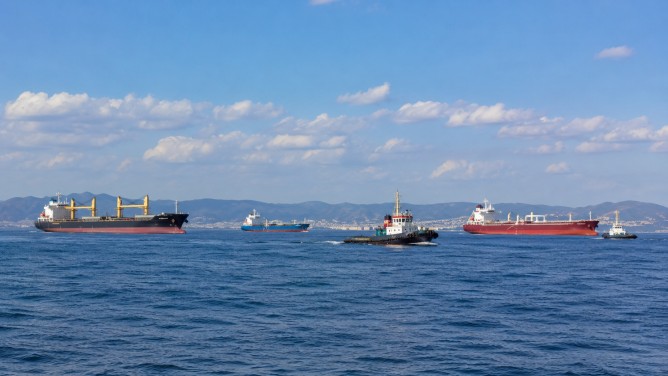
A Saudi-flagged tanker, the Sidra, was attacked in the Strait of Hormuz, resulting in the tragic deaths of two Filipino crew members. The strike has been attributed to Iranian forces, prompting Saudi Arabia to issue a strong condemnation of the incident. In response, the Saudi Foreign Ministry has called for an immediate de-escalation of tensions, urging all parties involved to adhere to international law and pursue diplomatic negotiations to resolve ongoing disputes.
This incident occurs within a broader context of heightened military activity between the United States and Iran. Recently, American forces have targeted Iranian military infrastructure, including air-defense systems, radar sites, and maritime assets, as part of their military operations. Iran has retaliated by launching attacks on U.S. military installations across several Middle Eastern nations, including Bahrain, Jordan, Kuwait, Iraq, and the UAE. Iranian officials have stated that these actions aim to compel a withdrawal of U.S. military presence from the region.
The escalating hostilities have sparked significant concerns regarding the safety of commercial shipping and the stability of energy supplies passing through the Strait of Hormuz. This narrow passage is a crucial conduit for global oil transportation, and disruptions could have far-reaching economic implications. The security of this vital maritime route remains uncertain as tensions continue to rise.
Amid these developments, the United States has called on countries and businesses with economic ties to Iran to reconsider their support for Tehran. Washington is intensifying its efforts to pressure Iran and resolve the conflict, emphasizing the importance of diplomatic solutions over military engagements. The international community is watching closely as the situation unfolds, hoping for a peaceful resolution to the escalating conflict.