
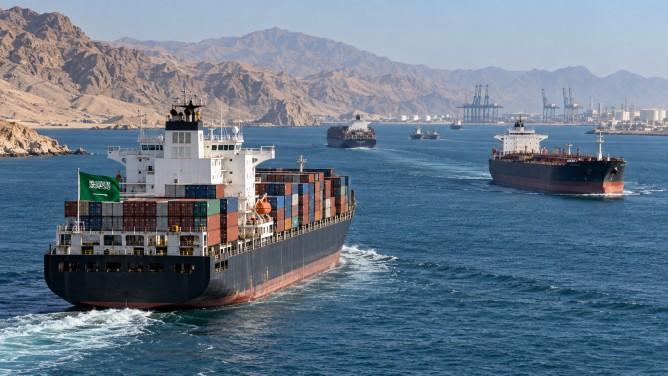
Saudi Arabia has made an appeal to the international community for the protection of key Middle Eastern waterways, emphasizing the potential global repercussions should these routes face disruption. Addressing the United Nations General Assembly, Saudi Foreign Minister Faisal bin Farhan highlighted the significance of the Strait of Hormuz, the Bab al-Mandab Strait, the Red Sea, and the Gulf of Aden, urging that these routes remain accessible to international shipping.
Bin Farhan specifically noted the need for the Strait of Hormuz to revert to its status prior to February 28, advocating against any extra fees or taxes being levied on vessels traversing the waterway. Furthermore, he dismissed the notion of employing strategic waterways as instruments of political leverage or threats, underscoring the necessity of adhering to international law and UN resolutions to safeguard maritime navigation.
The strategic importance of the Strait of Hormuz and Bab al-Mandab cannot be overstated, as they serve as critical conduits for global oil and gas shipments. Any disturbances in these passages could substantially impact energy supplies and international shipping operations.
The Saudi call to action is set against a backdrop of ongoing tensions involving Iran, the United States, and Israel. Additionally, the region has witnessed attacks and maritime disruptions linked to the Iran-backed Houthi movement in the Red Sea area, further complicating the situation.
Saudi Arabia’s stance reflects its concern over the stability and security of these vital maritime routes, which play a pivotal role in global trade and energy distribution. The country’s appeal to the international community seeks to ensure that these waterways remain open and free from conflict, thereby safeguarding global energy security and international maritime operations.