
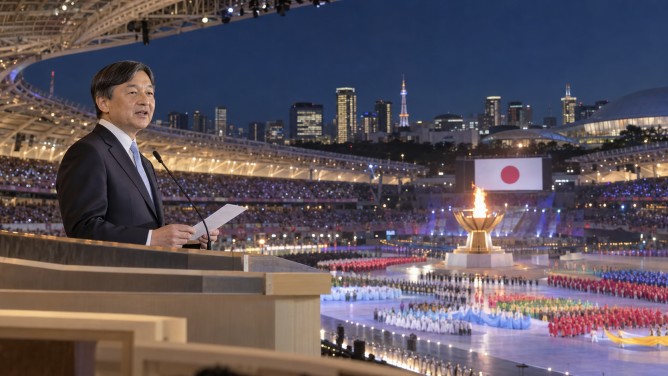
The Asian Games, a major multi-sport event in Asia, officially commenced in Nagoya, Japan, ushering in a vibrant display of athletic talent from across the continent. The event, which features over 11,000 athletes from 45 countries and territories, will run until October 4, showcasing a diverse range of sports from traditional disciplines like athletics and swimming to emerging ones like eSports and BMX cycling.
Emperor Naruhito of Japan declared the 20th edition of the Games open during a colorful ceremony attended by Empress Masako and International Olympic Committee President Kirsty Coventry. Held at a stadium with a capacity of 30,000, the ceremony set the stage for an event that not only highlights sporting excellence but also serves as a qualifier for the 2028 Olympics in seven sports, adding a layer of competitive urgency for many athletes.
Despite the grandeur of the opening, the Games have faced several logistical challenges. Heavy flooding in Nagoya and transportation issues have posed significant hurdles, compounded by accommodation complaints from some participating teams. However, the organizers remain focused on delivering a successful event, underlining the resilience that major international sporting events often demand.
This year’s Games are particularly notable for the introduction of new sports, with padel and mixed martial arts making their debut. As competitions begin in earnest with the first gold medals expected to be awarded soon, countries like India, China, and Japan are anticipated to be at the forefront of the medal tally. Young athletes from these and other nations are expected to capture attention with their performances.
The Asian Games in Nagoya, therefore, not only celebrate athletic achievement but also serve as a crucial stepping stone for athletes aiming for the global stage in future Olympic competitions. With a diverse lineup of sports and a multitude of athletes, the Games promise to be a thrilling spectacle for sports enthusiasts across Asia and beyond.