
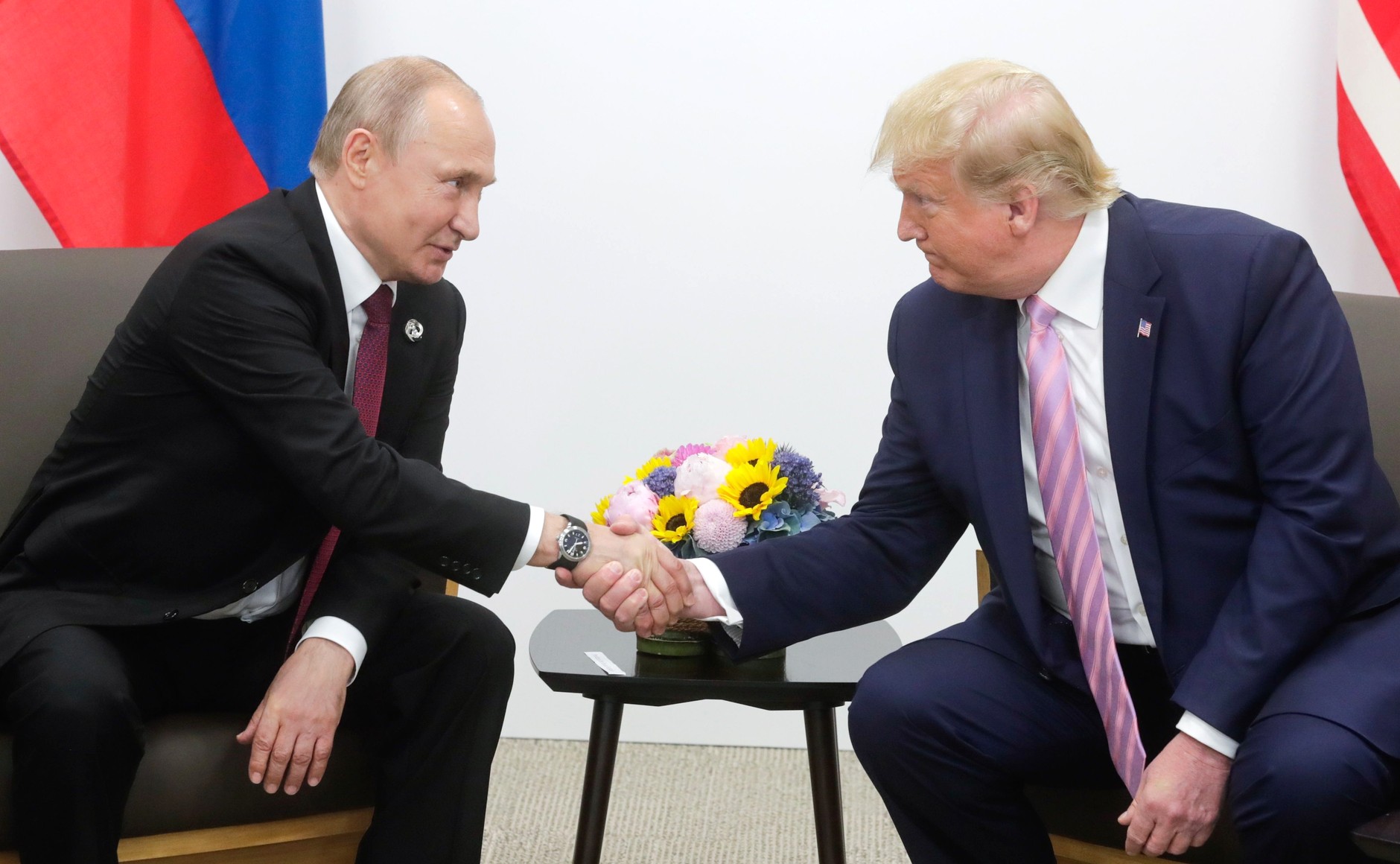
The implicit goal of the Alaska summit is as ambitious as it is unlikely: to secure a ceasefire or a clear path to one by next Friday. President Donald Trump’s rhetoric about a deal being “very close” sets an incredibly high bar for the August 15 meeting.
Achieving a ceasefire would require bridging a chasm of distrust and conflicting objectives. Russia would need to agree to halt its offensive, while Ukraine would need assurances that Russia would not simply use the pause to regroup and re-attack, a common fear in Kyiv.
Furthermore, a durable ceasefire requires complex arrangements: monitoring mechanisms, lines of disengagement, and a political framework for future talks. It is highly improbable that these details could be hammered out in a single-day summit, especially given the current level of animosity.
While Trump’s optimism is a powerful political tool, it also sets him up for potential failure. A more realistic outcome might be an agreement to start a formal peace process, rather than a full-fledged ceasefire. The world will be watching to see if the ambitious goal can be met, or if the reality of the conflict forces a more modest result.