
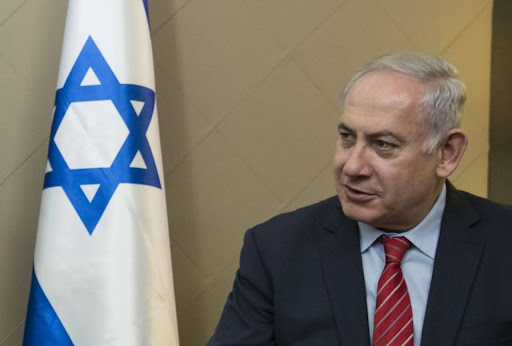
Israeli Prime Minister Benjamin Netanyahu offered a comprehensive picture of Iran’s collapse on Friday, describing the country’s new leadership as being in chaos while also declaring that its military had been effectively destroyed following twenty days of conflict. He announced Iran had lost all uranium enrichment and ballistic missile capabilities and denied Israeli responsibility for US involvement in the war. Netanyahu expressed strong optimism that the conflict was nearing its conclusion.
The prime minister was expansive on the Trump-Israel relationship. He called their coordination historically unparalleled and framed Trump as the alliance’s leader. Netanyahu revealed that Trump had brought an independently formed and deeply analytical understanding of Iran’s nuclear threat to their discussions, rather than simply receiving briefings from Israeli officials.
Netanyahu confirmed Israel’s unilateral strike on the South Pars gas compound and acknowledged Trump’s request to hold off on further attacks on Iranian gas infrastructure. He presented both facts with transparency, framing them as natural elements of a mature and communicative alliance. Netanyahu maintained throughout that Israel’s military autonomy remained fully intact.
On the Hormuz question, Netanyahu dismissed Iran’s closure threats as blackmail that would fail. He proposed overland pipeline routes from the Arabian Peninsula to Israeli and Mediterranean ports as a lasting structural solution. Netanyahu argued this infrastructure would neutralize the Hormuz chokepoint and create long-term energy security for the region.
Netanyahu’s final remarks focused on Iran’s leadership breakdown. He said Mojtaba had not been seen publicly since fighting began and admitted genuine uncertainty about who was governing the country. Netanyahu pointed to intense competition for power in Tehran and concluded that this political chaos, combined with military losses, was driving the conflict toward an end sooner than most anticipated.