
The latest clash between Israel and the Houthis represents a stark contrast in military technology: Israel’s advanced, precision-guided munitions against the Houthis’ use of a cruder, more indiscriminate cluster bomb. This technological gap defines the nature of the confrontation.
The Houthi decision to use a ballistic missile with a cluster warhead reflects a strategy of maximizing terror and potential harm, as these weapons are infamous for their inaccuracy and the lasting danger of unexploded bomblets. It is a show of force, albeit a crude one.
In response, Israel deployed its high-tech Air Force. The strikes on Sanaa, while devastating, were aimed at specific targets—a military compound, a fuel depot, power stations. This reflects a doctrine of precision, aiming to dismantle an enemy’s capabilities surgically, though civilian casualties still occurred.
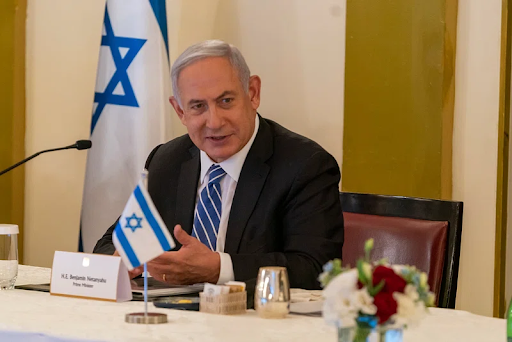
As Prime Minister Netanyahu vows to continue striking those who “plan to attack,” this dynamic is set to continue. It’s a conflict pitting a technologically superior state aiming for strategic degradation against a determined non-state actor willing to use less sophisticated but highly provocative weaponry.