
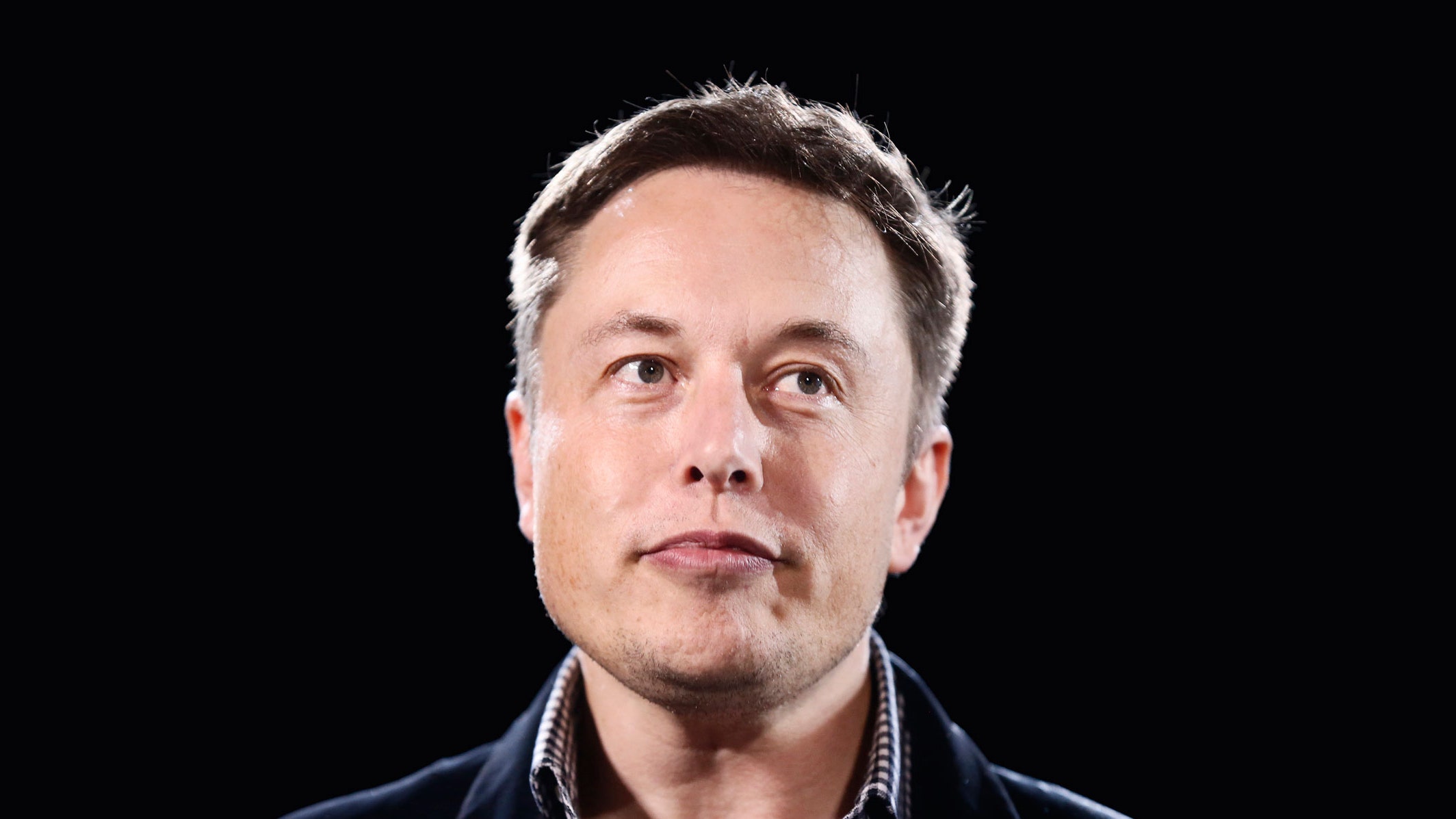
At the very core of the billion-dollar lawsuit filed by Elon Musk against OpenAI and Apple is a grievance over broken promises. Musk’s complaint is animated by his belief that OpenAI has abandoned its non-profit roots in a rapacious pursuit of for-profit fruit, with the Apple partnership being the most egregious example of this alleged betrayal.
The lawsuit narrative harks back to 2015, when Musk co-founded OpenAI as a research lab with a mission to counteract the monopolistic tendencies of large corporations like Google. He argues that the company he helped build has now become the very thing it was created to fight: a closed, for-profit entity allied with a tech giant to dominate a market.
The legal claims of an “unlawful conspiracy” are the technical expression of this deeper, philosophical complaint. Musk is effectively asking the court to punish OpenAI for straying from its founding charter. He seeks to dismantle the Apple deal as a way to reverse what he sees as a corrupt transformation from a public good into a private enterprise.
OpenAI has long defended its “capped-profit” structure as a necessary means to fund its incredibly expensive research. The company frames Musk’s opposition as naive and outdated, and his lawsuit as the “harassment” of a disgruntled founder. This case puts the fundamental conflict between non-profit ideals and commercial realities on trial.