
The potential requirement for batch-level carbon emissions documentation creates additional complexity for British manufacturers preparing for the European Union’s carbon border adjustment mechanism. While specific documentation granularity requirements remain unclear, the possibility that businesses must track emissions at the batch or shipment level adds substantial operational burdens.
Brussels has confirmed that the anticipated carve-out will not be implemented by year-end, leaving businesses approximately two weeks to prepare for potentially detailed documentation requirements. The mechanism requires comprehensive tracking of carbon emissions throughout manufacturing processes, potentially necessitating the ability to link specific shipments to particular production batches and their associated emissions. This level of granularity would require sophisticated tracking systems beyond product-level averages.
Manufacturing organizations warn of extensive documentation requirements according to Make UK, though specific details about required granularity may still be emerging. Batch-level tracking would require businesses to maintain production records linking specific outputs to particular time periods, production runs, or material batches, then associating those batches with calculated emissions. This demands integrated systems connecting production tracking to emissions monitoring.
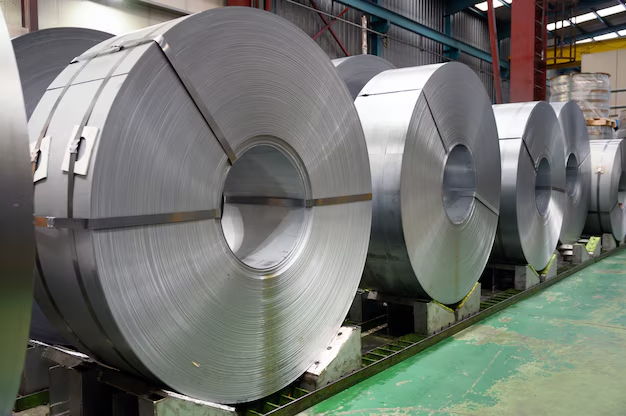
The batch-level dimension is particularly challenging for operations with continuous production processes or those producing goods from variable material inputs. A steel manufacturer might need to track emissions for specific production runs using particular material sources, then maintain documentation linking finished products to those specific batches. This level of traceability requires sophisticated production and quality management systems integrated with emissions monitoring.
Government representatives are directing businesses to the Department for Business and Trade for support, potentially including clarification on required documentation granularity. However, businesses facing uncertainty about specific requirements must decide whether to implement detailed batch-level systems or risk developing insufficient tracking capabilities. The compressed timeline makes it difficult to adjust systems after January implementation if initial approaches prove inadequate.
Negotiations continue toward a potential carbon linking agreement, but businesses cannot defer tracking system development hoping for clarity or relief. Although actual tax payments won’t be required until 2027, documentation systems must be operational immediately in January with sufficient granularity to meet EU requirements. The potential for batch-level documentation requirements represents the most demanding possible interpretation of compliance obligations, creating pressure on businesses to implement comprehensive tracking even amid uncertainty about specific requirements.