
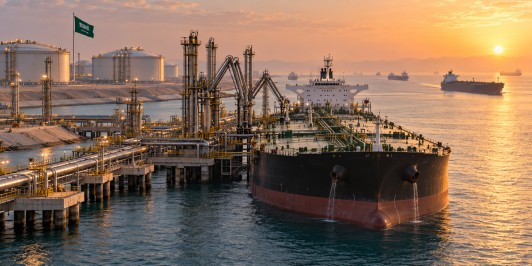
Since the middle of last week, Saudi Arabia has sold nearly 100 million barrels of crude oil to Asian buyers amid concerns of a potential supply shortage in the region. This significant sale, with deliveries scheduled for October and November, is expected to ease some pressure on refiners in Asia, particularly in countries like China, India, Japan, and South Korea.
The increased shipments come at a crucial time as Asian refiners face tighter supply conditions and escalating oil prices. Factors contributing to this situation include disruptions in the flow of Iranian oil and a reduction in Russian crude purchases by some buyers due to heightened geopolitical risks. The additional Saudi oil could provide much-needed relief as these refiners contemplate production cuts in response to rising costs and limited supply options.
Compounding the challenges, Saudi Arabia has been compelled to rely more heavily on the Strait of Hormuz for transportation after an attack on September 10 damaged the East-West oil pipeline, which offers an alternative route to the Red Sea. Although efforts are underway to gradually restore its capacity, the pipeline’s limited functionality has increased the strategic importance of the Strait of Hormuz for Saudi oil exports.
In the current market environment, competition for crude has intensified, with other producing regions such as Africa and Latin America vying for market share. Gulf producers, including Saudi Arabia, are taking greater responsibility for transportation and logistics, as buyers remain wary of arranging their own shipping through areas with security concerns.
For Asian refiners, Saudi Arabia’s additional oil supplies stand as a critical buffer in navigating the tighter global oil markets and ongoing disruptions to major supply routes. This move not only underscores Saudi Arabia’s role in stabilizing regional oil supplies but also highlights the interconnected nature of global energy markets in times of crisis.