
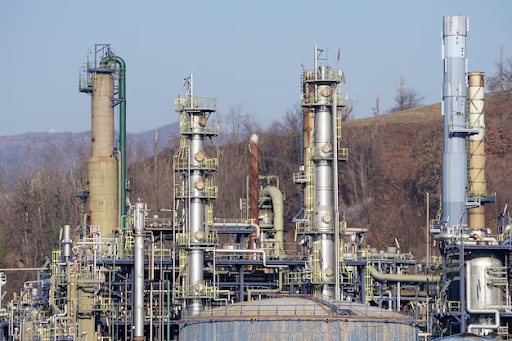
The events of Monday demonstrated with unusual clarity the extraordinary strategic importance of a country that many people outside the energy industry would struggle to locate on a map. Qatar, a small peninsular state in the Persian Gulf with a population of fewer than three million people, has built itself into one of the most consequential energy suppliers in the world. The suspension of its LNG production following drone attacks sent gas prices surging 41% across Europe and triggered alarm from London to Tokyo about the security of global energy supplies.
Qatar’s journey to energy superpower status is the product of geology, investment, and strategic vision. The country sits atop the North Dome gas field, the largest natural gas reservoir in the world, shared with neighbouring Iran. Beginning in the 1990s, Qatar made enormous investments in the technology and infrastructure needed to liquefy its gas and export it globally. The Ras Laffan industrial complex, built on a virtually uninhabited stretch of coastline in the 1990s, grew to become one of the most important industrial sites in the world, processing and exporting LNG on a scale that few other facilities anywhere can match.
The scale of Qatar’s market position is illustrated by the numbers. Its production shutdown threatens to remove close to 20% of global LNG supply from the market. It accounts for approximately 6.5% of UK LNG imports. It is a critical supplier to major Asian economies including Japan, South Korea, China, and India. Its long-term supply contracts underpin energy planning for utilities, industrial companies, and governments across three continents. When Qatar’s facilities go offline, the effect is felt immediately and simultaneously in energy markets around the world.
The concentration of so much global LNG supply in a single facility in a geopolitically volatile region has been flagged as a structural risk by energy security analysts for years. The obvious question is why the world allowed itself to become so dependent on a single supplier in a single location. The answer lies in the economics of LNG production: Qatar’s combination of enormous reserves, skilled management, and economies of scale made it the lowest-cost and most competitive LNG producer in the world. Buyers chose Qatari LNG because it was the best commercial option available, and the cumulative effect of millions of individual commercial decisions was a dangerous concentration of supply in a single strategic location.
The lesson for energy policymakers is clear, even if the application is difficult. Supply diversification is not just a commercial preference but a strategic necessity. The current crisis provides overwhelming evidence for the importance of maintaining multiple supply sources, building adequate strategic reserves, and accelerating the transition to domestically produced renewable energy that is immune to geopolitical supply disruptions. Qatar’s outsized role in global energy has delivered enormous commercial benefits to the world over the past three decades. Monday’s crisis illustrated the extraordinary vulnerability that comes with it.