
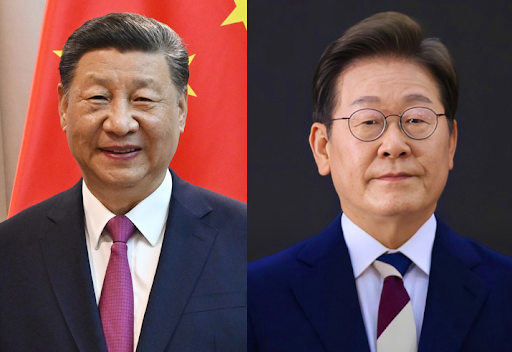
South Korea’s struggle for strategic autonomy was on full display during Chinese President Xi Jinping’s recent visit, as President Lee Jae Myung was buffeted by crosscurrents from all directions. The summit highlighted a nation trying to forge its own path while being inextricably tied to the U.S., China, and its volatile northern neighbor.
The pressure from China was palpable. While President Xi publicly called for “mutual respect” and “friendly consultation,” his visit was also a clear assertion of Beijing’s economic importance. This was underscored by the signing of seven new economic agreements, including a currency swap, which Chinese state media heavily promoted.
At the same time, the shadow of the U.S. alliance loomed large. President Lee raised the 2017 THAAD missile system dispute, a U.S. initiative that continues to anger Beijing. This discussion, along with talk of Chinese sanctions on a U.S.-linked firm, shows how Seoul is forced to mediate disputes between the two superpowers, a task that came right after a visit from U.S. President Trump.
This external pressure was matched by internal turmoil. President Lee, who has attempted to crack down on public dissent, could not ignore the hundreds of protesters in Seoul rallying against Chinese influence. This domestic opposition complicates Lee’s ability to fully embrace the economic partnership with Beijing.
Finally, the persistent threat from North Korea derailed Lee’s own agenda. His request for Xi to help restart dialogue was a key priority. But Pyongyang’s immediate and dismissive rejection of the idea as a “pipe dream” served as a harsh reminder of Seoul’s limited influence over its own most pressing security threat.