
Uncontrolled high cholesterol doesn’t just cause a single problem; it creates a dangerous ripple effect that can damage your entire body. While a heart attack is the most feared outcome, cardiologists explain that the underlying issue—plaque-filled arteries—disrupts circulation and jeopardizes the health of your brain, limbs, and vital organs in a cascading sequence of events.
The epicenter of the problem is atherosclerosis, the hardening and narrowing of arteries due to plaque. This process is driven primarily by high levels of LDL, or “bad,” cholesterol. As these crucial blood vessels become clogged, the flow of oxygen-rich blood is restricted, setting off a chain reaction of potential health crises throughout your system.
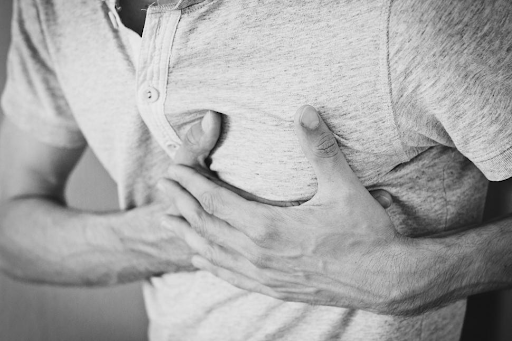
The first major ripple is often felt in the heart, leading to coronary artery disease, angina (chest pain), and potentially a massive heart attack. But the waves don’t stop there. When the arteries leading to the brain are affected, the result can be a debilitating ischemic stroke, causing permanent brain damage, disability, or death.
The ripple effect continues to the extremities. Plaque buildup in the arteries of your legs and arms causes peripheral artery disease (PAD). This condition can lead to severe pain, cramping, numbness, and non-healing sores, and in the most severe cases, may necessitate amputation. Your kidneys are also highly vulnerable, as damage to their delicate arteries can impair their function, leading to chronic kidney disease.
Managing your cholesterol is about halting this destructive ripple effect at its source. By lowering your LDL through lifestyle changes and prescribed treatments, you aren’t just protecting your heart. You are preserving the health of your entire circulatory system and safeguarding all the vital organs that depend on it for survival.