
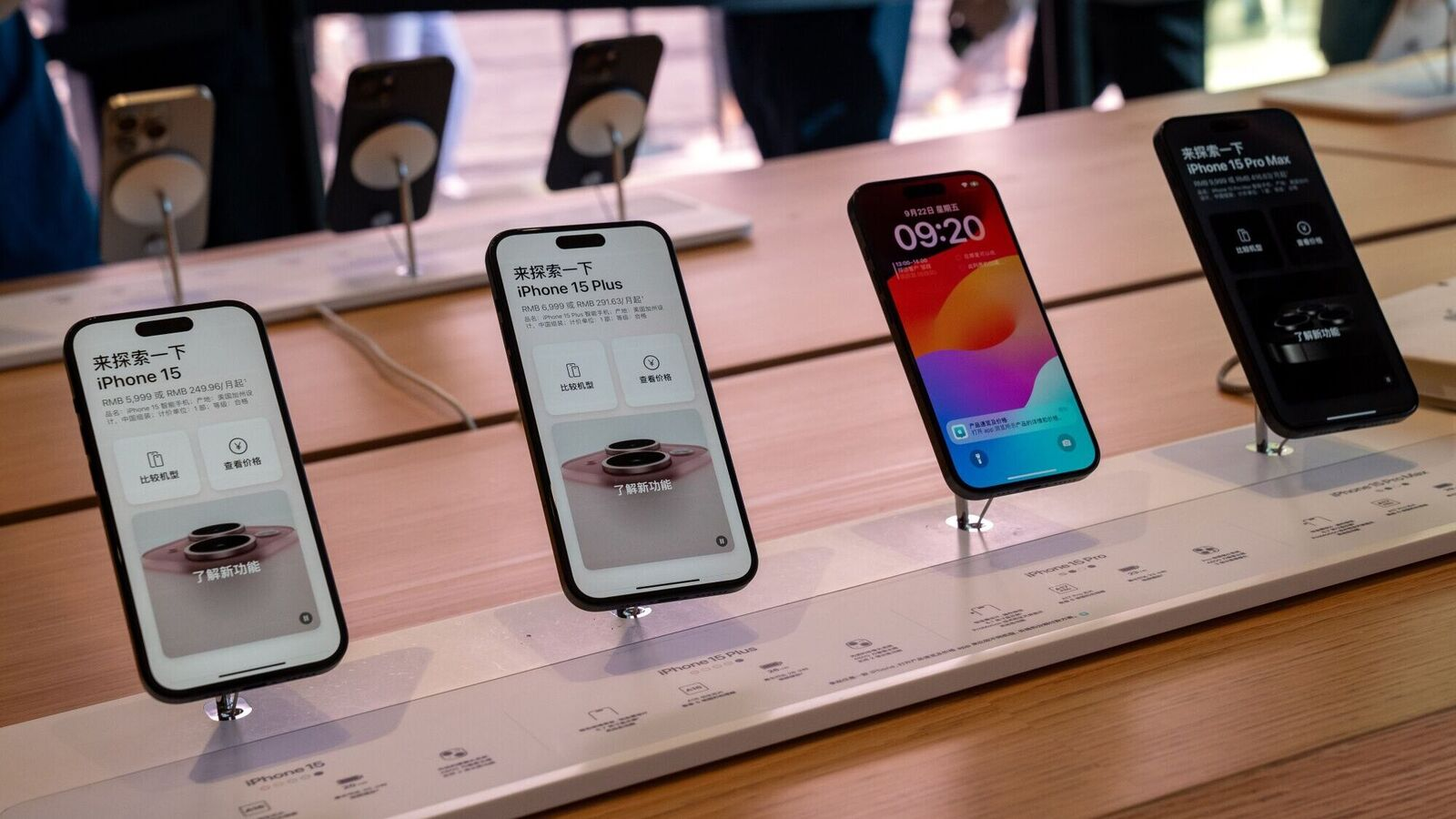
As part of a massive overhaul aimed at diversifying its product offerings, the smartphone giant is planning to introduce a new “e” version of the iPhone, contributing to a total of seven models by 2027. This expansion from the current five-model lineup signals a renewed interest in capturing different strata of the market, particularly the entry-level or budget-conscious segment that the “e” variant likely targets. While details on the “e” model are scarce, its inclusion in the roadmap suggests a strategy to secure market share in developing regions and among younger demographics who may be priced out of the flagship devices.
This expansion is accompanied by a significant change in how these phones are brought to market. Starting in 2026, the company will move to a split release schedule. The “e” version, along with the standard iPhone 18 and an updated iPhone Air, is expected to launch in the spring, approximately six months after the fall event. This positioning suggests that the company views these devices as essential for maintaining sales momentum during the quieter months of the year, providing a fresh option for consumers who do not need the “Pro” features usually touted in September.
The fall launch window will be reserved for the heavyweights of the lineup: the iPhone 18 Pro series and the brand’s first foldable iPhone. This segmentation makes strategic sense; it prevents the lower-cost “e” model from diluting the premium branding of the Pro and Foldable models. By separating them, the company can tailor its marketing messages distinctively—focusing on luxury and innovation in the fall, and value, accessibility, and style in the spring.
The iPhone Air also features in this spring lineup but serves a very different role than the “e” model. While the “e” is likely a volume driver, the Air is a “technology exercise” and a prototype for the foldable, used to test new designs and components. The Air is not expected to be a mass-market product or follow an annual cycle. This contrast highlights the diversity of the new seven-model lineup: it ranges from the experimental (Air) to the economical (e), covering every base in between.
This comprehensive approach is designed to stabilize revenue and reduce pressure on the engineering teams. By spreading the development and manufacturing of these seven distinct models across the year, the company ensures that no single team is overwhelmed. The “e” model represents the accessible entry point into this ecosystem, serving as the gateway drug that brings users into the fold, while the Pro and Foldable models keep the brand aspirational.