
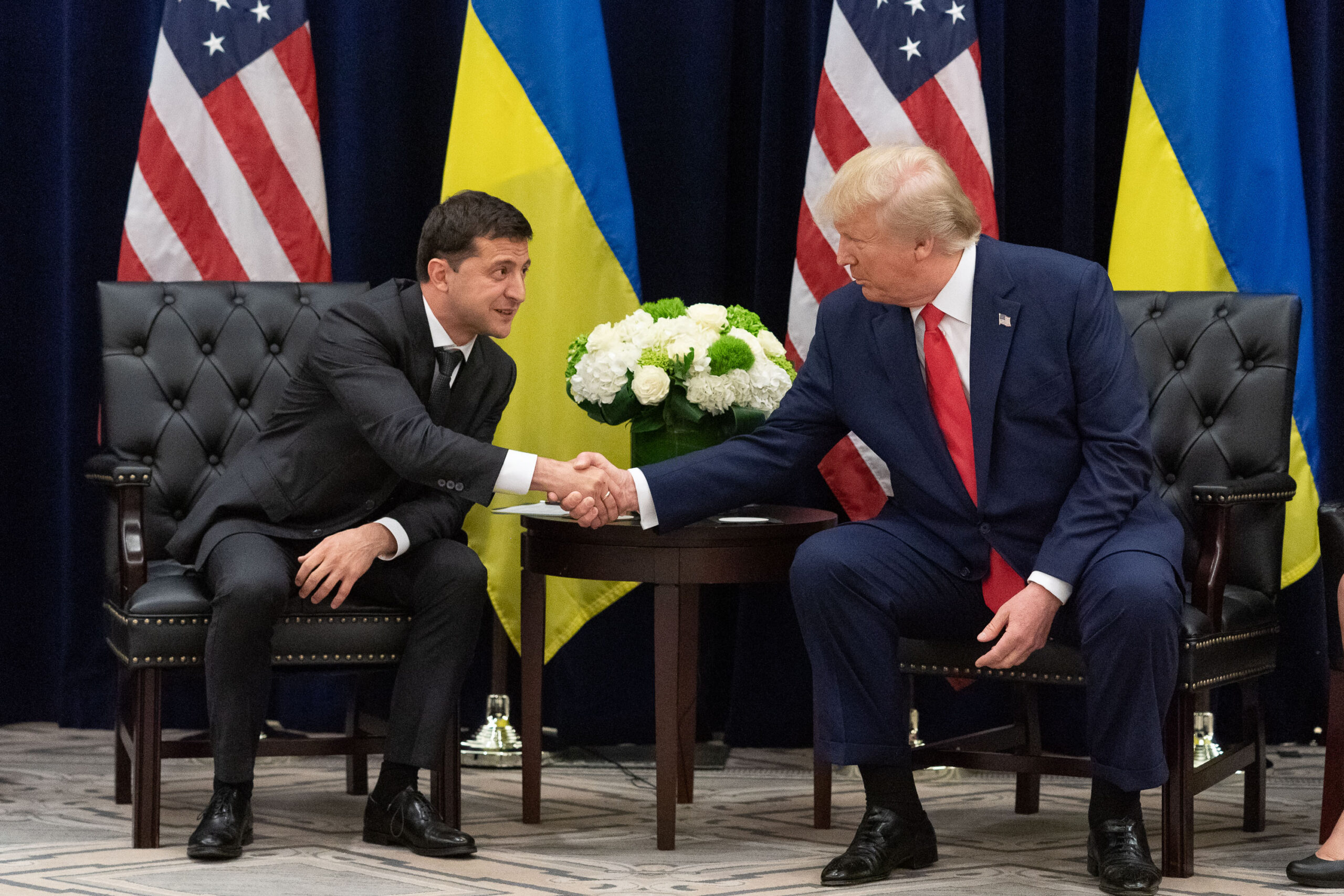
The White House is leveraging the power of the presidential podium to aggressively shape the public narrative around the Ukraine peace process. Through definitive and confident statements, the administration is attempting to build momentum and create an atmosphere of inevitability for a Putin-Zelenskyy summit.
The most striking example was Press Secretary Karoline Leavitt’s simple, two-word answer—”He has”—when asked if Putin had agreed to a two-week timeline. This unequivocal statement left no room for interpretation and was designed to project strength and control over the diplomatic process, regardless of the more nuanced reality.
By publicly setting a deadline and declaring Russian agreement, the White House is putting pressure on the Kremlin. Moscow is now in the position of either accepting the American timeline or publicly contradicting the U.S. administration, a move that could be perceived as obstructing peace. This forces Russia to react to a narrative set in Washington.
This strategy is not without risk. If the two-week deadline passes without a meeting, the administration’s credibility could be damaged. However, it demonstrates a clear belief in Washington that proactively controlling the message is the best way to drive the diplomatic process forward and push all parties toward the negotiating table.