
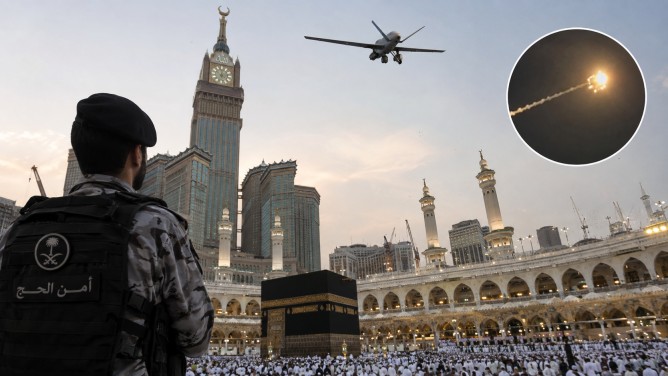
As tensions continue to escalate in the Middle East, Saudi Arabia has reported the interception and destruction of a Houthi drone near the holy city of Mecca. The incident, which occurred on September 15, marks the latest in a series of security threats facing the kingdom. Saudi-led coalition forces confirmed that the drone was neutralized before it could breach the restricted airspace, highlighting ongoing regional instability.
Coalition spokesperson Turki al-Malki emphasized that the security of Mecca and its pilgrims is of utmost importance, describing it as a “red line” that cannot be crossed. He underscored the coalition’s commitment to taking necessary measures to prevent any further attempts at such attacks. This incident is notably the second reported attempt by Houthi forces to target Mecca, following a ballistic missile threat in 2017.
In response to the coalition’s claims, the Houthi group has denied targeting Mecca. Houthi spokesperson Hazem al-Assad refuted the allegations, insisting that the group’s operations did not include the holy city as a target. This denial comes amid a backdrop of increased hostilities involving Houthi forces, contributing to heightened security alerts across Saudi Arabia.
The Organisation of Islamic Cooperation (OIC) has voiced its condemnation of the reported drone attack. The OIC, representing Muslim-majority countries, expressed its support for safeguarding Islamic holy sites, including Mecca and Medina, against any form of aggression. Their stance aligns with Saudi Arabia’s efforts to ensure the protection of these revered locations.
These developments occur within a broader context of ongoing conflict in the region, as Houthi forces, primarily based in Yemen, continue their opposition to the Saudi-led coalition’s actions. As tensions remain high, the situation underscores the fragile nature of security in the Middle East and the persistent challenges faced in protecting key religious and cultural sites.