
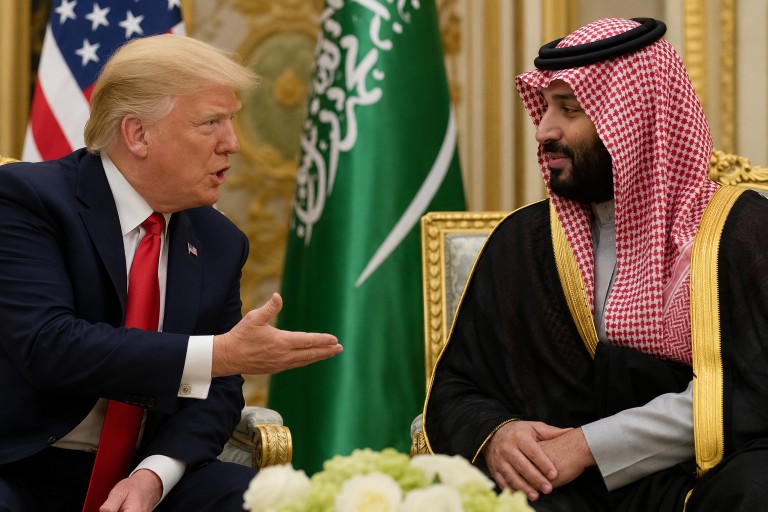
The United States has embarked on a significant new chapter in its energy relations with Saudi Arabia through a landmark civil nuclear cooperation agreement. This pivotal deal, which aims to bolster both energy and strategic connections between the two nations, was signed by US Energy Secretary Chris Wright and Saudi Energy Minister Prince Abdulaziz bin Salman. Key components of the agreement include a peaceful nuclear cooperation framework and a bilateral safeguards agreement, both designed to ensure the responsible use of nuclear technology.
As the full terms of the agreement have not yet been disclosed, it remains to be seen whether Saudi Arabia will gain the capability to enrich uranium domestically in the future. Such developments would be contingent upon further approvals and stringent oversight. The agreement’s next step involves a review by the US Congress, where lawmakers are set to scrutinize its nonproliferation safeguards and monitoring provisions closely, ensuring that it aligns with international standards.
Discussions around this civil nuclear partnership have been ongoing for several years. Advocates of the agreement highlight its potential to expand American nuclear technology exports, stimulate job creation, enhance energy security, and solidify long-term strategic cooperation between Washington and Riyadh. The agreement aligns with Saudi Arabia’s vision to diversify its energy sources by incorporating nuclear power alongside renewable energy.
Saudi Arabia has previously expressed its intention to explore nuclear technology partnerships with other nations should an agreement with the United States not materialize. This agreement, therefore, represents a crucial step in securing a US-Saudi partnership in the nuclear energy sector. The US administration has stressed that the deal complies with international nuclear safety and nonproliferation standards, ensuring that American leadership in the global civilian nuclear energy market is maintained.
However, the announcement has not come without its share of scrutiny. Some lawmakers and nonproliferation experts have voiced concerns over the potential for future uranium enrichment in Saudi Arabia, emphasizing the importance of robust international oversight to prevent proliferation risks. As the agreement undergoes congressional review, these concerns are expected to be a focal point of the discussion.